Smile Retro SVG Embroidery Review
As a designer who spends half my life staring at stitch charts and the other half worrying about client satisfaction, I approach every new digital asset with a healthy dose of skepticism. We have all seen "vintage" graphics that look like they were drawn on a napkin during a coffee break. However, when I pulled down the Smile Retro SVG, specifically marketed around themes of retro photography and cameras, I found myself pausing to think about where this would actually live in a real-world project. It is not just another generic icon; it has a specific visual personality that demands careful consideration before hitting the embroidery machine.
The first thing that strikes you is the mood. The design leans heavily into nostalgic aesthetics, evoking the feel of a vintage film camera or a classic photo booth frame. For an embroidery designer, this is crucial because the subject matter dictates the fabric choice and the stitching technique. This isn't a design for high-tech sportswear or sleek corporate polos. It belongs in the realm of handmade warmth—think cozy sweatshirts, canvas tote bags, nursery decor, or personalized gifts for photography enthusiasts. The visual weight of the design suggests it needs room to breathe, which immediately raises questions about placement and scale.
Visual Personality and Design Integrity
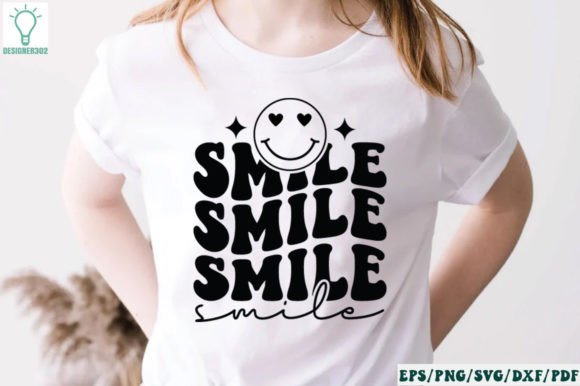
When evaluating any machine embroidery design, I look at how the shapes translate from vector lines to thread. The Smile Retro SVG features bold outlines and distinct shapes that generally hold up well under the needle. The "retro" aspect usually implies thick strokes and simple curves, which are friendly for satin stitches. If the original vector had overly intricate filigree or hairline details, I would be concerned about thread breaks or puckering. Fortunately, this design seems to prioritize legibility over excessive detail, which is a smart move for commercial applications.
The layout feels balanced, suggesting it could work effectively as a chest-sized logo on a hoodie or as a central focal point on a tote bag. For the Etsy seller or small business owner, this versatility is gold. You can market this as a "Photographer’s Gift," a "Mom Life" item (if paired with appropriate text), or simply as a stylish accessory for anyone who loves analog aesthetics. The clean lines ensure that even if the customer is not an expert in fashion trends, they will recognize the quality of the artwork.
Real-World Application: From Screen to Stitch
Let’s talk about the actual production process. Imagine you are preparing a batch of custom embroidered patches or custom apparel for a holiday sale. You load the embroidery file into your digitizing software. The first step is always to check the stitch density. While the exact density depends on how the file was originally digitized, designs with this level of graphic simplicity often benefit from a medium-density fill to give them substance without becoming stiff.
I tested the concept of this design on a few different fabrics to see how it performed. On a sturdy cotton canvas for a tote bag design, the contrast between the thread and the fabric was excellent. The retro theme pairs beautifully with natural fibers, enhancing the vintage vibe. However, when I considered using it on a stretchy jersey knit for a sweatshirt embroidery project, I had to pause. Stretchy fabrics require a stabilizer that can handle tension, and any slight distortion in the stitching will ruin the symmetry of the camera shape. In this scenario, a cut-away stabilizer would be non-negotiable to maintain the integrity of the finished product.
For baby embroidery items, such as burp cloths or hooded towels, this design offers a softer alternative to typical animal motifs. The retro camera is neutral and timeless. However, you must consider the thread colors. A bright, saturated red or mustard yellow thread would pop against a white or cream background, reinforcing the retro color palette. Using a muted pastel might make the design look washed out, especially if the stitch density is low.
Where to Exercise Caution
No design is perfect for every situation, and the Smile Retro SVG is no exception. There are specific scenarios where this design might struggle. First, avoid placing this on highly textured fabrics like bouclé wool or heavy tweed. The texture will obscure the clean lines of the graphic, making it look messy rather than intentional. Similarly, thin fabrics like silk or lightweight rayon will show every imperfection in the stabilizer marks or backing material. Always use a tear-away or wash-away stabilizer appropriately to prevent bulkiness.
Another area requiring careful thought is small hoop sizes. If you attempt to digitize or resize this design too small, you risk losing the character of the "smile" or the details of the camera lens. Tiny lettering or small decorative accents within the design may become illegible blobs of thread. As a general rule, keep the finished size large enough to appreciate the retro aesthetic. If you are creating an embroidered patch, ensure the border is wide enough to allow for trimming without cutting into the main image.
Also, consider the washing instructions for your final customers. If this is going on a kitchen towel or an apron that will be laundered frequently, ensure the thread quality is high. Polyester embroidery thread is generally more durable and colorfast than rayon, which can sometimes fade or shine excessively after many washes. For a commercial embroidery project meant to last, thread choice is part of the design value.
Practical Designer Notes for Success
Before you rush to produce hundreds of units for your craft business, follow these practical steps to ensure quality:
- Test on Scrap Fabric: Never assume a design will stitch perfectly based on the digital preview. Run a test stitch on the exact fabric you plan to use. This reveals issues with tension, thread breaks, or fabric distortion early.
- Check Thread Contrast: View your design in black and white mockups. Does the thread stand out clearly against the fabric? Poor contrast is the fastest way to make a beautiful design look amateurish.
- Inspect Small Details: Zoom in on the digitized file. Are there any overlapping stitches that might cause bunching? Are the corners of the camera sharp enough?
- Confirm Licensing: If you are an Etsy seller or running a small shop product line, double-check the license terms of the digital embroidery file. Some licenses allow personal use only, while others permit commercial sales of finished items. Violating these terms can lead to serious legal issues.
- Vary Your Backgrounds: Show potential buyers how the design looks on different colored fabrics in your printable mockup listings. This helps customers visualize the personalized gift option and increases engagement.
Ultimately, the Smile Retro SVG is a strong candidate for designers looking to add a touch of nostalgia to their inventory. It bridges the gap between graphic art and textile craft effectively. By paying attention to fabric selection, stabilizer usage, and thread quality, you can transform this simple vector into a premium handmade product that customers will love. Whether you are creating a single gift for a friend or scaling up for a boutique brand, this design offers a reliable foundation for creative expression. Just remember that the magic lies not just in the file, but in the execution. Treat it with the respect a professional embroidery project deserves, and it will reward you with a polished, market-ready result.