I Drink Tea, Darling Retro Svg Design Review
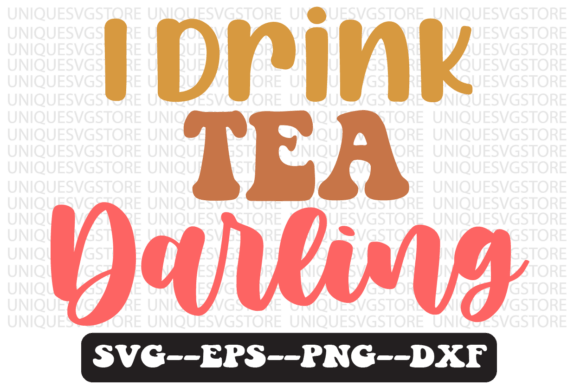
As a designer who has spent years turning digital files into tangible stitched masterpieces, I know that the difference between a good product and a great one often comes down to the details in the design file itself. When I Drink Tea, Darling Retro Svg Design landed on my desk, I didn't just see a cute phrase; I saw a potential bestseller for a boutique shop or a heartfelt personalized gift. The "Groovy retro" aesthetic is timeless, but its success in machine embroidery depends entirely on how well it translates from a vector screen to the fabric under the needle.
The first impression of this design is undeniably warm and inviting. It captures that mid-century modern vibe with a playful twist that feels perfectly at home in a cozy kitchen or a trendy nursery. For an embroidery project, the layout is clean, which suggests high stitch density control and excellent clarity. Unlike some overly intricate vintage designs that can look muddy when stitched, this piece seems designed to maintain its personality even on smaller items like onesies or caps. It creates a mood of relaxed comfort, making it an ideal candidate for custom apparel, sweatshirt embroidery, or holiday embroidery gifts where warmth is key.
Real-World Application: From Screen to Stitch
To truly evaluate I Drink Tea, Darling Retro Svg Design, we have to imagine it in action. Let's say I am preparing a custom embroidered tote bag for a local craft fair. The goal is to create a unique accessory that appeals to Etsy sellers and handmade shop owners who love a bit of nostalgia. Placing this design on a sturdy canvas tote allows the groovy typography to stand out without competing with a busy background. The visual appeal here is crucial; it signals professionalism and brand consistency, telling the customer that the maker put thought into the details.
However, the real test happens when you move beyond simple totes. Consider using this design as a baby item, perhaps on a soft cotton onesie or a receiving blanket. The retro theme works beautifully for nursery decor, offering a gender-neutral yet stylish option for parents. When stitching on stretchy fabrics like those found in hoodies or long-sleeve tees, the stability of the design becomes paramount. A well-executed satin stitch or fill stitch ensures the letters don't pucker, maintaining the crispness of the finished product. This level of quality directly impacts customer trust and buyer engagement, as no one wants to receive a wrinkled, misshapen garment.
I also envision this design being used for commercial embroidery projects, such as creating a line of aprons for a coffee shop or kitchen towels for a wedding gift set. The phrase "I Drink Tea, Darling" is conversational and relatable, adding a touch of humor that resonates with buyers looking for personalized gifts. When integrated into a small business merchandise collection, it elevates the perceived value of the item, transforming a standard blank into a curated design asset.
Navigating Fabric Challenges and Limitations
While the design is versatile, there are specific scenarios where I Drink Tea, Darling Retro Svg Design requires careful consideration. Textured fabrics, such as heavy waffle knits or thick fleece, can sometimes obscure fine details. If the design includes tiny lettering or delicate decorative accents, these might get lost in the weave of a coarse material. In such cases, choosing the right stabilizer is non-negotiable. Without adequate support, the stitch density could cause the fabric to pull, ruining the intended shape of the design.
Another critical factor is hoop size. If you are working with a small hoop, you must ensure the design fits comfortably without cutting off any essential elements. Curved surfaces, like baseball caps or beanies, present their own challenges. While the design is likely scalable, the curvature of the cap can distort the perspective if not hooped correctly. Similarly, dark fabrics require a strategic choice of thread colors to ensure contrast. A light-colored retro design on a black hoodie might need an underlay or a specific color palette adjustment to pop effectively.
For products that need frequent washing, such as drinkware labels or kitchen towels, the durability of the stitches matters. Dense stitch areas can trap moisture or lint if not cleaned properly, so advising customers on care instructions is part of the professional process. Additionally, if you plan to use this as an embroidered patch, the edge finish must be sharp enough to withstand trimming and attachment without fraying over time.
Practical Designer Notes for Success
Before committing to a full production run or selling your first batch of handmade products, there are several steps every experienced crafter should take. First, always test the design on scrap fabric. This simple step reveals how the thread colors interact with the specific texture of your chosen material and highlights any potential issues with stitch density. You want to avoid a situation where the design looks perfect on the screen but fails to translate to the physical world.
Reviewing the stitch count and checking the file formats is also essential. While the product description mentions it is a print-ready SVG, converting it for machine embroidery requires precision. Ensure that the running stitch, satin stitch, and fill stitch settings are optimized for the specific embroidery file you are using. If you are unsure about the exact stitch count or machine compatibility, check the source documentation before proceeding. Using the wrong settings can lead to skipped stitches or excessive thread breaks.
Inspect small details closely. Sometimes, what looks like a minor curve on a computer monitor can become a jagged line when stitched. Compare light and dark fabric backgrounds to confirm that the design maintains its integrity across different colorways. Testing it in black and white mockups can also help visualize how the design will hold up against various lighting conditions in a retail setting.
Finally, consider the licensing terms. If you intend to sell finished items or distribute the digital embroidery file, confirming whether the license covers commercial use is vital. Many designers overlook this step, leading to legal complications later. By taking the time to verify these details, you protect your craft business and ensure that your work remains ethical and sustainable.
In conclusion, I Drink Tea, Darling Retro Svg Design offers a charming blend of retro style and modern practicality. Whether you are a hobbyist making a gift for a friend or a seasoned Etsy seller expanding your inventory, this design has the potential to shine. With proper attention to fabric selection, stabilizer usage, and testing protocols, it can serve as a cornerstone for high-quality, profitable embroidery projects. The key lies in respecting the medium and understanding how digital art transforms into tactile beauty.