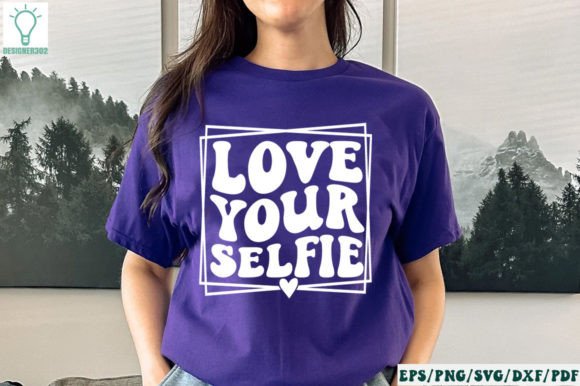
Love Your Selfie Retro SVG Review
As a designer who spends more time looking at stitch lines than actual fabric, I have learned to be skeptical of any design that promises too much in too little space. When I first pulled Love Your Selfie Retro SVG into my workspace, I wasn’t just looking at a pretty graphic; I was stress-testing it for real-world application. The market is flooded with generic camera icons and selfie sticks, but the retro aesthetic adds a layer of nostalgia that can elevate a simple handmade product into something special. This review breaks down how this design actually performs when you move from screen to hoop, specifically for those of us running small businesses or crafting personalized gifts.
The First Impression: Mood and Visual Personality
The immediate appeal of this file lies in its vintage photography vibe. It doesn’t scream "modern tech"; instead, it whispers "nostalgia." For an embroidery project, this distinction is crucial. A hyper-realistic camera might look cluttered when stitched, but a stylized, retro silhouette offers cleaner lines and better readability. The layout feels balanced, suggesting that the designer understood negative space. This is vital because embroidery relies on the contrast between thread and fabric. If the original vector is too dense, the final stitch-out will turn into a muddy blob, especially on textured fabrics like denim or fleece.
The theme resonates strongly with current trends in boutique branding. It fits perfectly into the "maker" aesthetic that dominates platforms like Etsy. It’s playful yet professional enough for a serious craft business. Whether you are creating a tote bag design for a photographer client or a sweet accent for a nursery, the visual personality of this design is versatile. It suggests creativity and memory-keeping, which are emotional hooks that drive sales in the handmade sector.
Real-World Application: Where This Design Shines
I imagine this embroidery file performing exceptionally well on soft goods that benefit from a touch of whimsy. Let’s look at a few specific scenarios where this design would add tangible value to a finished product.
- Custom Apparel and Sweatshirts: On a heavyweight cotton sweatshirt, this design acts as a focal point. The retro camera motif pairs beautifully with earth tones or muted pastels. It works as a chest logo for a casual brand or a larger back print for a statement piece. The key here is using high-quality polyester threads to make the colors pop against the fabric texture.
- Baby Embroidery and Nursery Decor: There is a surprising amount of charm in applying a "selfie" theme to baby items. Imagine a onesie or a muslin blanket with a simplified version of this design. It becomes a personalized gift that celebrates family memories. For nursery decor, such as a pillow cover or a wall hanging, the retro style adds warmth without being overly childish.
- Accessories and Bags: A tote bag design featuring this camera icon is an instant conversation starter. It appeals to travelers, artists, and parents. Similarly, on an apron, it signals a love for food photography or creative cooking. These are functional items that customers use daily, keeping your brand visible in their everyday lives.
- Holiday Embroidery and Gifts: During the holiday season, people are always looking for unique presents. This design works wonderfully for stocking stuffers or teacher appreciation gifts. It’s inclusive and fun, making it a safe yet thoughtful choice for commercial embroidery projects aimed at a broad audience.
Technical Considerations and Potential Pitfalls
While the concept is strong, execution is everything. Not every surface is created equal, and some applications require careful planning to avoid disappointment.
First, consider the hoop size. If you plan to embroider this on a cap or a curved hat brim, you need to ensure the design isn’t too wide. Curved surfaces distort flat vectors, so you may need to adjust the scaling or choose a smaller digitization. Similarly, on thin fabrics, heavy stitch density can cause puckering. Always test on scrap fabric first to see how the material reacts to the tension.
Fabric texture also plays a huge role. On a heavily textured knit or a looped towel, fine details might get lost. In these cases, relying on bold satin stitch outlines helps maintain clarity. However, if the design includes tiny lettering or intricate inner details, you must inspect those closely in your software before sending it to the machine. Tiny elements often disappear after washing, so it’s better to err on the side of simplicity for durable products.
Thread color contrast is another critical factor. A light-colored camera on a white background will vanish. You need to choose thread colors that stand out against your chosen fabric. Dark fabrics demand bright or metallic threads, while light fabrics allow for deeper, richer hues. Testing in black and white mockups can help you visualize the contrast levels before you commit to a full-color thread palette.
Stabilizer and Stitch Quality
To achieve a professional finish, proper stabilization is non-negotiable. Depending on the fabric weight, you might need cut-away stabilizer for stretchy materials like jersey or knit caps, or tear-away for woven cottons. The goal is to keep the fabric taut and prevent distortion. Additionally, reviewing the stitch density ensures that the design isn’t too heavy for the fabric type. A good machine embroidery design balances coverage with breathability, allowing the fabric to retain some of its natural drape.
Commercial Viability and Brand Consistency
For Etsy sellers and small shop owners, the question isn’t just "does it look good?" but "will it sell?" This design taps into the desire for personalization and nostalgia, two powerful drivers in the handmade market. It allows you to create cohesive collections. For instance, you could pair this camera design with other photography-themed motifs to build a boutique brand identity.
Using high-quality design assets signals professionalism to your customers. When a buyer sees clean stitches, consistent spacing, and thoughtful placement, they trust the quality of the product. This trust translates to positive reviews and repeat business. Furthermore, ensuring you have the correct licensing for commercial embroidery protects your business. Always verify that you are allowed to sell finished items made from this digital file.
Final Verdict for the Practical Designer
Love Your Selfie Retro SVG is a solid addition to any crafter’s library. It strikes a balance between trendy aesthetics and timeless appeal. It is not just a clipart image; it is a foundational element for creating meaningful handmade products. Whether you are decorating a sweatshirt embroidery project for a teen or adding a cute accent to a baby embroidery set, this design delivers.
My advice is to approach it with the same rigor you would any other commercial asset. Test the scale, check the stitch types, and ensure the colors complement your fabric choices. By paying attention to these details, you transform a simple digital download into a cherished physical object. For the discerning maker, this design offers the perfect blend of retro charm and modern utility, ready to elevate your next embroidery project.